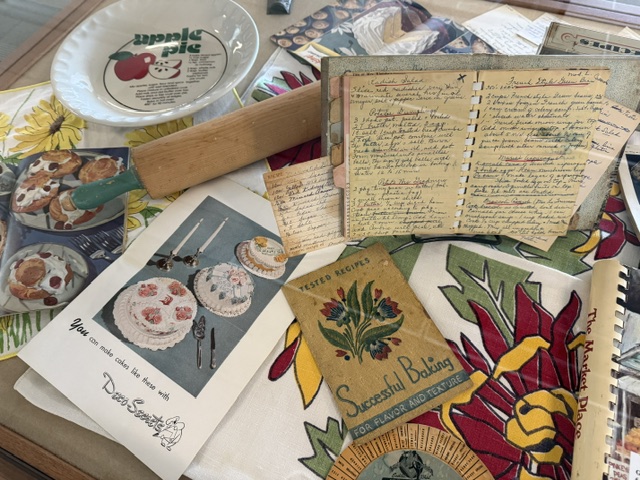
Please join us in the Georgia Heritage Room from June until the end of August for a display that’s sure to whet your appetite!
This exhibit is a compilation of family recipes and heirloom cookbooks, as well as a selection of local community cookbooks. Each item on display tells the story about a person who once owned and used the recipes, and in the case of the community cookbooks, a look at the organizations, churches, or local groups that compiled the books and the many contributors who submitted recipes. Even the recipes themselves might hold clues about the person who contributed.
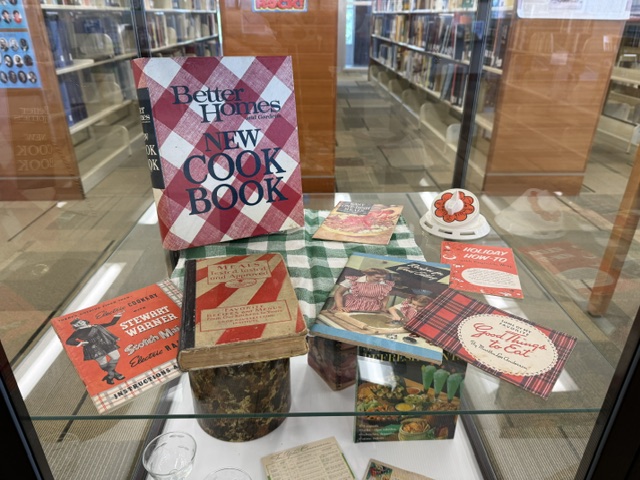
It would never occur to most of us to use cookbooks and recipes handed down to us from our mothers, aunts, and grandmothers to learn more about our female ancestors, but they certainly can be a wealth of information if you know how to look. When researching the women in our families sometimes we have to find creative ways of learning more about them, as many of the county, state, and federal records available to genealogists tell us very little about them personally. In many cases cookbooks and recipes created by the women in our families are highly individual and distinctive, a record of their lives within the domestic sphere. While not always the case, cookbooks in general are particular to women, at least historically, as women are traditionally the keepers of hearth and home.
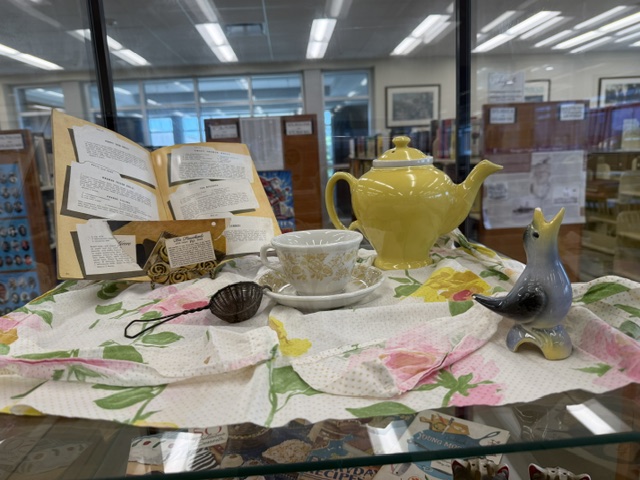
Every family has a recipe or two they cherish. Family recipes are certain foods that remind us of warm feelings and happy memories with the ones we love. These can be foods our families share at celebrations and events and, more often, foods we enjoy eating together all the time. Some family recipes have been passed down for so many generations we aren’t even sure where they originated.
Family recipes tell stories too. They’re often connected to people, places, and special memories. Many are known by titles such as Aunt Louise’s Lasagna or Nana Ellen’s Unforgettable Apple Pie. They have a who, a where, and a why. You’re making family history when you prepare and eat those foods with your family and friends.
We may never meet the women who lived before us but preparing meals from recipes created by them is the next best thing!